
DDC Clinic Medical Director Helps Shape the Future of PFIC Research
July 22, 2026
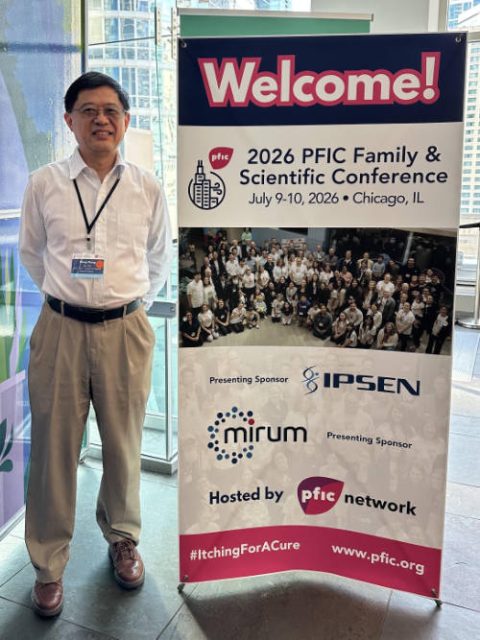 Advancing care for rare diseases requires more than treating patients—it requires collaboration among the world’s leading physicians, researchers, and families. This month, DDC Clinic Medical Director Dr. Heng Wang joined that effort by participating in the PFIC Family & Scientific Conference in Chicago.
As a newly selected member of the Steering Committee of the Patient-Centered PFIC Network Research Consortium, Dr. Wang worked alongside physicians, researchers, patients, caregivers, and advocacy leaders from across the United States to help establish research priorities and improve care for individuals living with Progressive Familial Intrahepatic Cholestasis (PFIC), a group of rare inherited liver disorders that includes Byler disease.
In addition to helping guide the consortium’s research agenda, Dr. Wang met with internationally recognized experts to explore new opportunities for collaboration on Byler disease research. Discussions included potential partnerships with researchers from University Medical Center Groningen in the Netherlands, led by pediatric hepatologist Dr. Henkjan Verkade, MD, PhD, as well as investigators from Cincinnati Children’s Hospital Medical Center, including Dr. Akihiro Asai, MD, PhD, Associate Professor of Pediatrics and a leader in inherited liver disease research.
These conversations represent an important step toward strengthening research partnerships that have the potential to accelerate scientific discovery and improve outcomes for individuals and families affected by rare genetic liver disorders.
“Collaboration is essential to advancing rare disease research,” said Dr. Wang. “By working together with leading experts around the world, we can build on our collective knowledge and move closer to better treatments and, ultimately, better lives for our patients.”
Dr. Wang’s participation reflects DDC Clinic’s longstanding commitment to advancing rare disease research, expanding scientific collaboration, and ensuring that families affected by rare genetic disorders benefit from the latest discoveries in diagnosis, treatment, and care.